

Robots are revolutionizing industries with their ability to perform tasks across manufacturing, healthcare, exploration, and even in everyday life. Selecting the right materials for building a robot is crucial to ensure durability, flexibility, efficiency, and functionality. Let’s explore the ideal materials used in robot construction, examining their unique properties and what makes them suitable for specific applications in robotics.
The Role of Materials in Robotics
Materials are foundational to a robot’s design, dictating its strength, weight, flexibility, and overall functionality. A robot’s material influences its ability to operate in extreme conditions, interact safely with humans, or perform precision tasks. From structural components to flexible joints, each material serves a distinct purpose in shaping the performance of robots. For robotics engineers, choosing the right materials ensures reliability, functionality, and longevity.
Steel in Robotics
Steel, particularly stainless steel, is highly valued in robotics due to its durability and strength. Its ability to withstand wear, tear, and corrosion makes it ideal for industrial robots that handle heavy loads or operate in rugged environments. Steel is often used in robot arms, structural frames, and joint components, where strength and resistance to deformation are essential.

Pros of Steel:
- High tensile strength
- Excellent wear resistance
- Corrosion-resistant when using stainless steel
Cons of Steel:
- Heavy compared to other materials
- May require protective coatings in specific environments
Aluminum: Lightweight and Durable
Aluminum’s low weight, combined with impressive strength, makes it a popular choice in robotic design. It is used in lightweight structures, portable robots, and drones. Aluminum alloy‘s natural resistance to corrosion and its ease of machining allow for quick, precise shaping, making it a versatile option for various applications in robotics.

Pros of Aluminum:
- Lightweight yet strong
- Corrosion-resistant
- Easy to machine and shape
Cons of Aluminum:
- Lower tensile strength than steel
- May require reinforcement for heavy-duty applications
Carbon Fiber: Strong, Lightweight, and Expensive
Carbon fiber is a composite material known for its high strength-to-weight ratio, making it a sought-after material for advanced robotics. Though more expensive than metals, carbon fiber provides unmatched stiffness and strength while keeping the robot’s weight low, ideal for high-speed or high-mobility robots, such as drones and robotic prosthetics.
Pros of Carbon Fiber:
- High strength-to-weight ratio
- Excellent durability and resistance to deformation
- Lightweight for increased speed and efficiency
Cons of Carbon Fiber:
- Expensive and less accessible for budget projects
- Brittle, prone to cracks under excessive stress
Titanium: High Performance and Lightweight
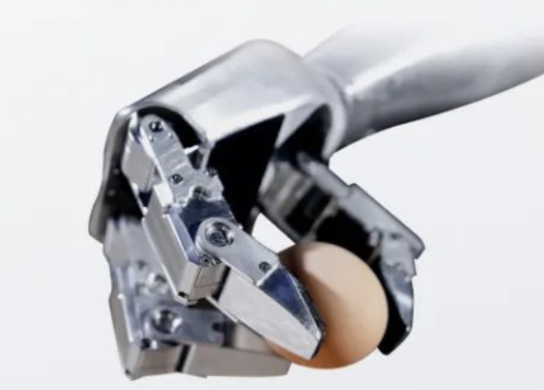
Titanium combines the best features of steel and aluminum: high strength, low weight, and excellent corrosion resistance. Due to its superior characteristics, titanium is used in high-stress components of robots that need strength without added weight. It’s often applied in aerospace robotics, military robots, and surgical devices that require resilience.
Pros of Titanium:
- High strength-to-weight ratio
- Excellent corrosion resistance
- Biocompatible, making it suitable for medical robots
Cons of Titanium:
- Very expensive and difficult to machine
- Limited accessibility for hobbyists or budget-conscious projects
Plastics: Versatile and Cost-Effective
Plastics, such as ABS and nylon, are widely used in robots for their versatility, affordability, and ease of production. These materials are particularly useful in lightweight robots, electronics housings, and prototypes. While plastics may not have the strength of metals, their flexibility and insulation properties make them valuable for internal components and consumer robotics.

Pros of Plastics:
- Lightweight and easy to mold
- Cost-effective for large-scale production
- Good electrical insulation properties
Cons of Plastics:
- Lower durability and heat resistance
- Not suitable for heavy-duty applications
Rubber and Elastomers for Flexibility
Rubber and elastomeric materials, like silicone and polyurethane, provide flexibility and shock absorption, making them ideal for robotic grippers, wheels, and soft robotics. These materials offer a safe interaction medium with humans and allow robots to handle delicate objects. Soft robotics, especially in healthcare, makes extensive use of elastomers for their compliance and safety.
Pros of Rubber and Elastomers:
- Highly flexible and impact-resistant
- Suitable for applications requiring a gentle touch
- Non-conductive, providing insulation in sensitive areas
Cons of Rubber and Elastomers:
- Limited structural integrity for load-bearing components
- Can degrade over time under specific environmental conditions
Ceramics: Heat Resistant and Durable
Ceramic materials, including alumina and silicon carbide, are used in robotics for applications requiring high heat resistance and extreme durability. Ceramics are prevalent in environments where robots encounter high temperatures or abrasion, such as welding robots or space exploration vehicles. These materials provide electrical insulation, making them essential in sensitive applications.

Pros of Ceramics:
- High resistance to heat and wear
- Good electrical insulation
- Extremely hard and durable
Cons of Ceramics:
- Brittle and prone to cracking under mechanical stress
- Expensive and difficult to machine
Smart Materials for Adaptive Robotics
Smart materials, including shape-memory alloys (SMA) and piezoelectric materials, are at the forefront of robotics innovation. Shape-memory alloys change shape in response to temperature, while piezoelectric materials generate electricity under mechanical stress. These materials enable adaptive robots that can react to changes in the environment, a key feature in fields like prosthetics and biomimetic robots.
Pros of Smart Materials:
- Adaptive properties allow robots to respond to environmental changes
- Useful in specialized applications like biomimetics and medical devices
- Enables innovation in self-healing and energy-harvesting robots
Cons of Smart Materials:
- Expensive and difficult to produce in large quantities
- Complex integration process in robotic systems
Composites: Customizable and Performance-Driven
Composites, such as fiberglass and carbon-reinforced polymers, combine multiple materials to achieve specific properties that are often unattainable by single materials. These materials are customizable, allowing robotics engineers to design components that meet exact needs for strength, flexibility, and weight. They are used in high-performance robots, such as drones, autonomous vehicles, and underwater exploration robots.

Pros of Composites:
- Tailorable for specific strength, weight, and flexibility requirements
- High durability and resistance to environmental stress
- Lightweight, ideal for mobile or flying robots
Cons of Composites:
- Costly and complex to manufacture
- Limited recyclability and environmental concerns
3D Printing Materials for Rapid Prototyping and Versatility
3D printing has revolutionized robotics, enabling rapid prototyping and the creation of customized parts from materials like PLA, ABS, and even metals. With 3D printing, robotics engineers can test different designs quickly and create complex geometries that may be challenging to produce with traditional methods.
Pros of 3D Printing Materials:
- Enables rapid prototyping and design iteration
- Wide range of materials from plastics to metals
- Customizable for unique shapes and geometries
Cons of 3D Printing Materials:
- Limited strength compared to traditional manufacturing
- Requires post-processing for optimal performance
Considerations for Choosing Robot Materials
Selecting materials for robots involves balancing cost, weight, durability, and specific application needs. Here are key considerations:
- Application Environment:Robots exposed to extreme conditions (e.g., underwater, space) need highly resistant materials like titanium or ceramics.
- Budget Constraints:Low-cost projects may favor plastics or aluminum, while high-budget projects can opt for advanced composites or carbon fiber.
- Functionality Requirements:Heavy-duty robots benefit from steel and titanium, while soft robotics or precision components may require flexible plastics or elastomers.
- Durability and Maintenance:Longer lifespans call for durable, low-maintenance materials, such as stainless steel or aluminum alloys, especially in industrial settings.
FAQs
What is the best material for industrial robots?
Steel and titanium are typically preferred for industrial robots due to their high strength and resistance to wear.
Why is carbon fiber used in robotics?
Carbon fiber offers a high strength-to-weight ratio, making it ideal for lightweight, high-performance robots like drones and robotic arms.
Are plastics suitable for all robot parts?
No, plastics work best for lightweight, non-load-bearing parts but lack the durability required for heavy-duty applications.
Can 3D printing materials replace traditional robot materials?
3D printing materials are excellent for prototyping and custom parts but may lack the strength and durability of traditionally manufactured materials.
Is titanium better than steel for robotics?
Titanium offers a great balance of strength and weight but is more expensive than steel, making it suitable for high-end applications.
Are smart materials used widely in robotics?
Smart materials are mostly used in advanced and experimental robotics due to their adaptive properties, often in prosthetics and biomimetic designs.
Conclusion
The choice of materials in robot construction profoundly affects performance, durability, and flexibility. Each material—whether metal, plastic, or composite—offers unique advantages and limitations that suit specific robotic applications. By understanding these materials’ properties, engineers can design robots that not only meet but exceed performance expectations in diverse environments and functions. Whether building a heavy-duty industrial robot or a lightweight drone, the right materials can ensure long-term success and efficiency in robotic technology.

 English
 German
 Chinese